Anno Domini · September 11, 1334

The Miracle
of the Mannaja

A pilgrim, an unjust sentence,
a blade that refused to strike.

A story that Pietralunga
has kept for centuries

The Palio della Mannaja is born from a memory. An event passed down from generation to generation, woven from history and faith, justice and miracle. At its center is a foreign pilgrim, a small medieval Umbrian community, and a moment that — according to tradition — forever changed the fate of one man and the identity of a town.

That memory is still alive. Every August, Pietralunga returns to 1334.

Chapter I

The Journey

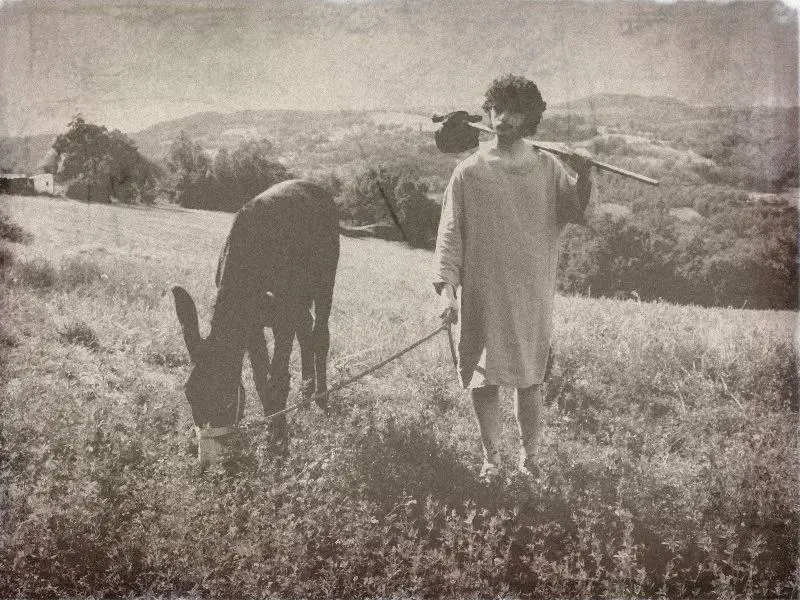
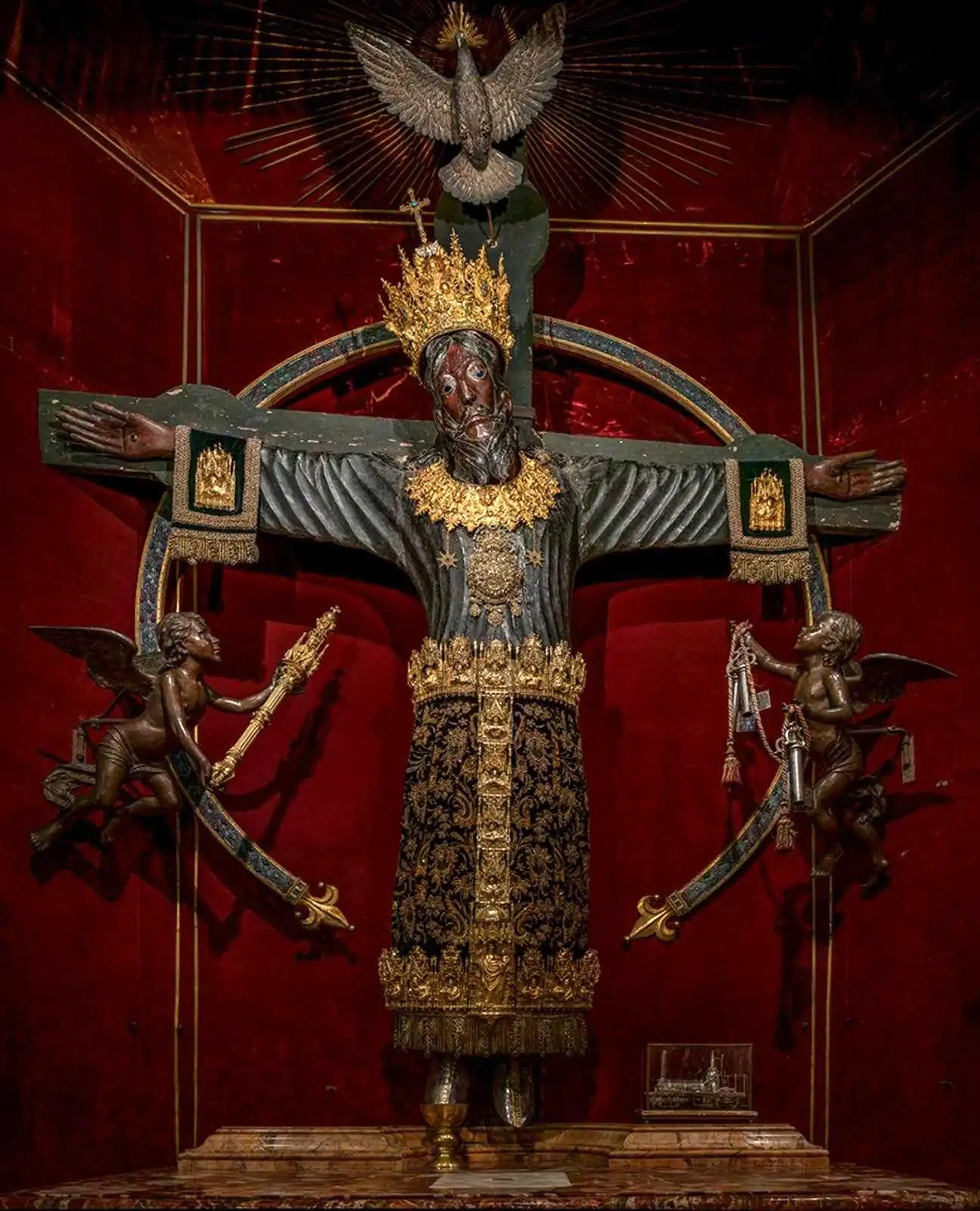
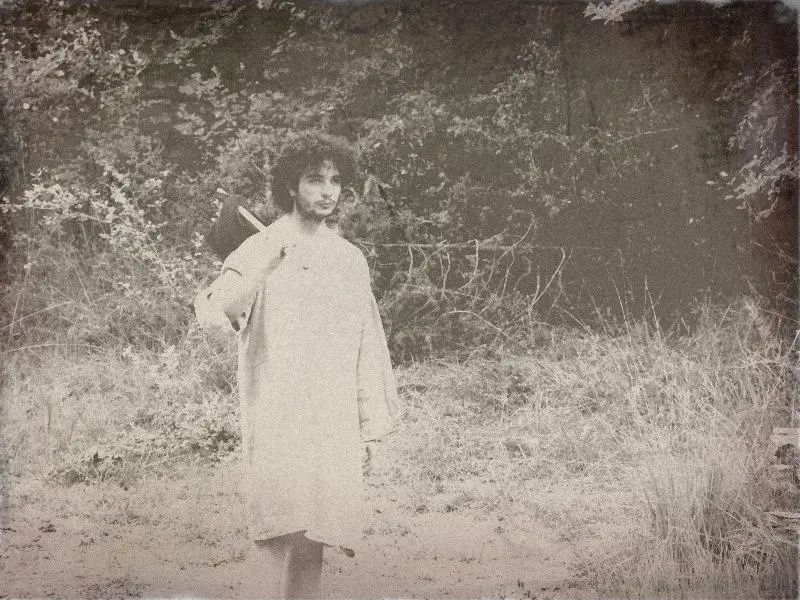
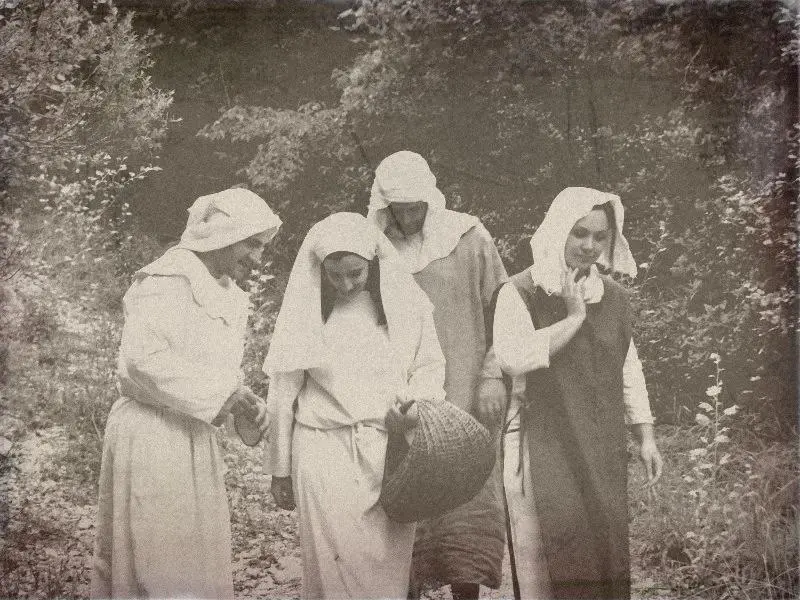
In the summer of 1334, Giovanni di Lorenzo da Piccardia (Picardy) was on the road. A pilgrim bound for Lucca to venerate the Volto Santo — the venerated image kept in the Cathedral of San Martino, a destination for pilgrims from all over Europe — he walked the ancient roads of Umbria, far from his homeland.

Like many pilgrims of his time, Giovanni traveled in faith. The journey to the Volto Santo was an act of devotion, a passage through whole towns, dirt roads, bridges and hills. Pietralunga was one stop along that road.

Giovanni di Lorenzo da Piccardia walking toward Lucca — historical reenactment

Chapter II

The Accusation

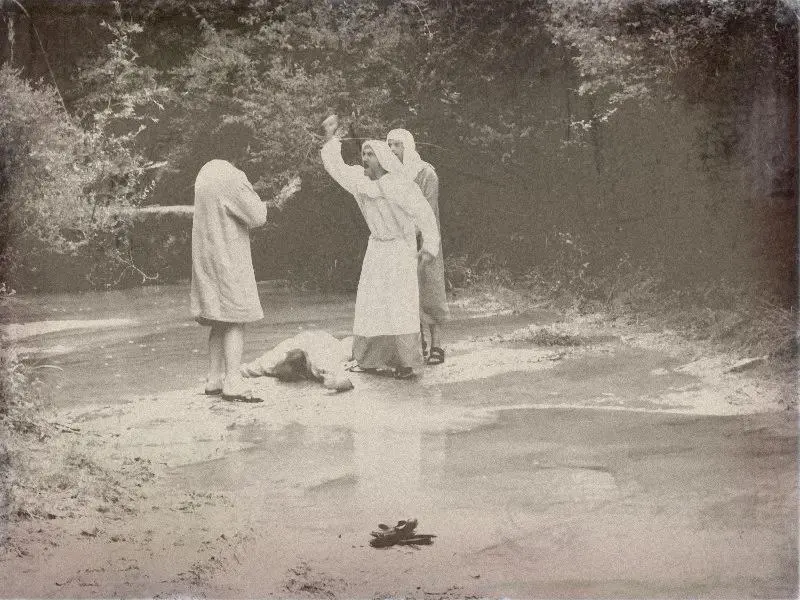
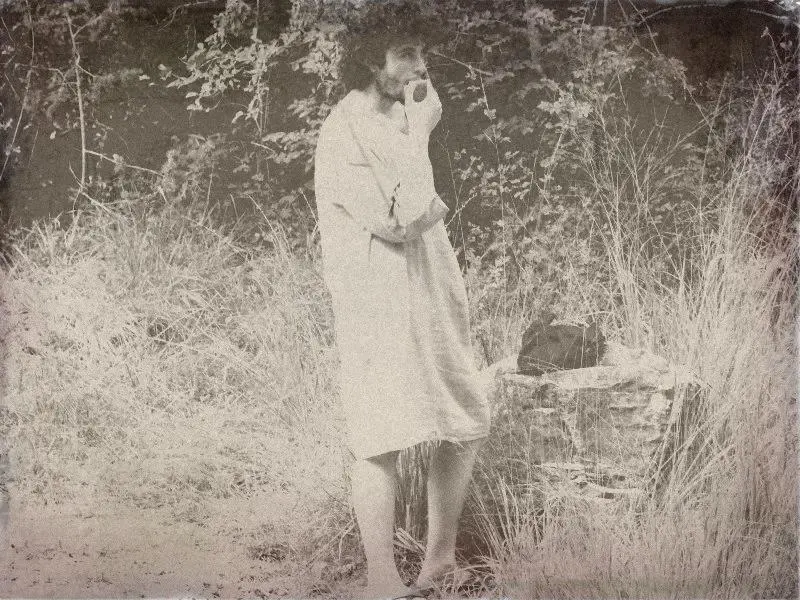
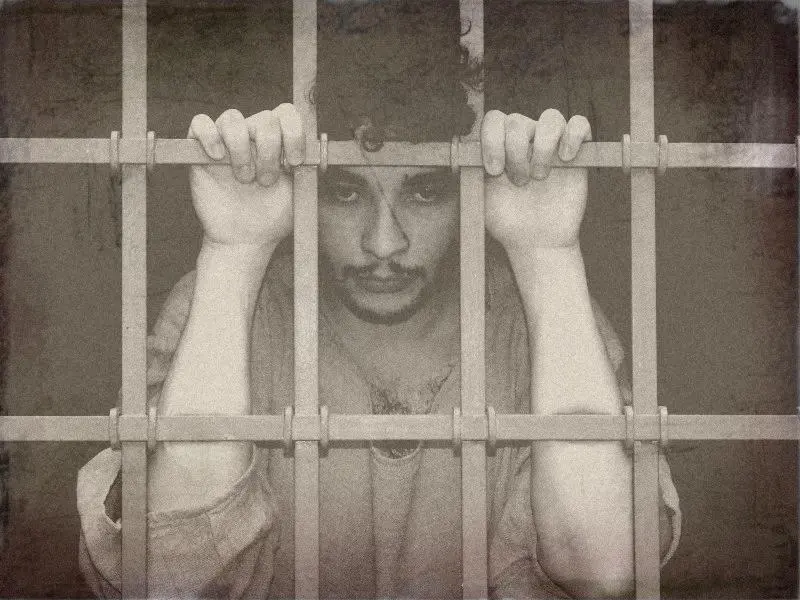
In Pietralunga, Giovanni's journey came to a halt. According to tradition, the pilgrim was implicated in an accusation of murder. A stranger, with no roots in the town and no one to speak in his defense, he found himself alone before the justice of a distant age.

Popular memory holds that the accusation was unjust: a mistake, or a deliberate wrong done to someone with no means to defend himself.

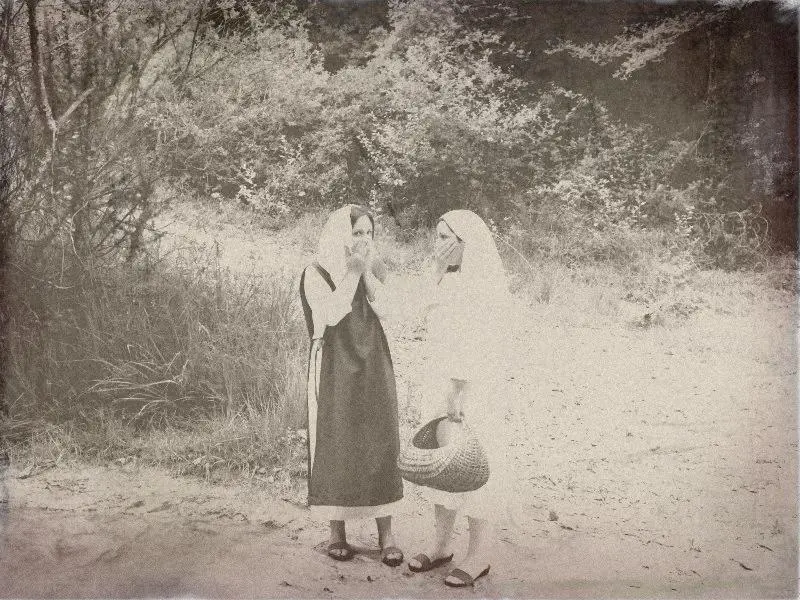
Giovanni unjustly accused by the townspeople — historical reenactment

Chapter III

The Sentence

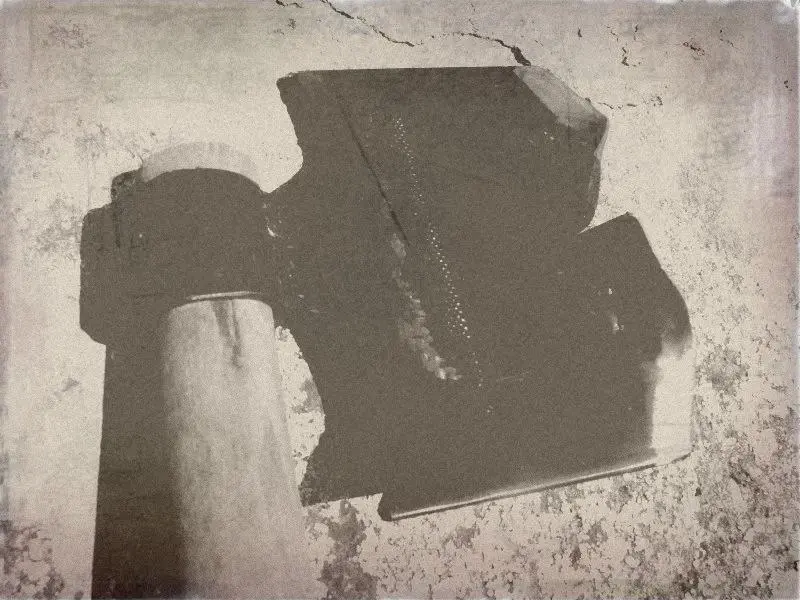
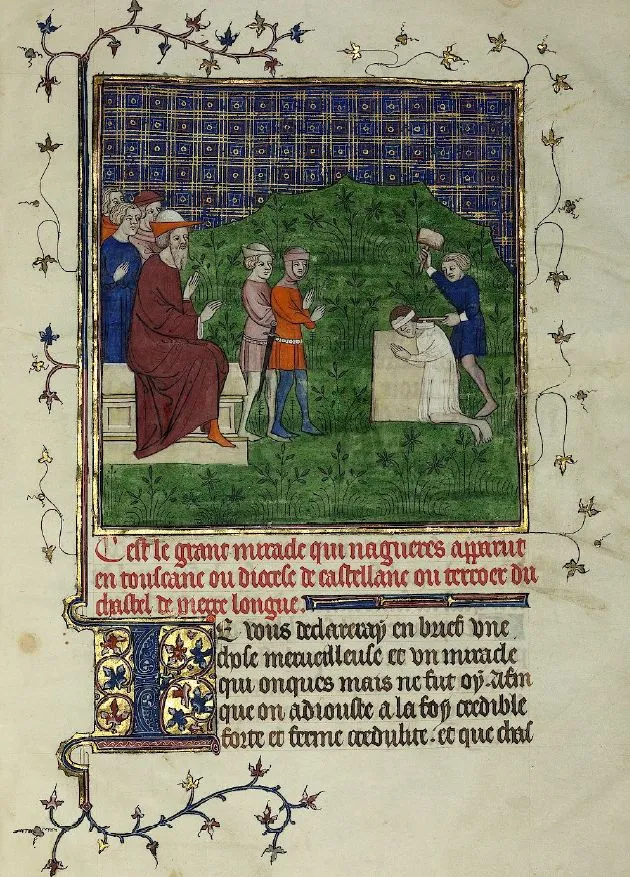
The verdict was pronounced: death by beheading. The mannaja — the instrument of execution — was made ready. For Giovanni da Piccardia, every human possibility seemed exhausted.

It was September 11, 1334. Tradition places the most dramatic moment of the story on this date: the foreign pilgrim stood facing the end, in a land not his own.

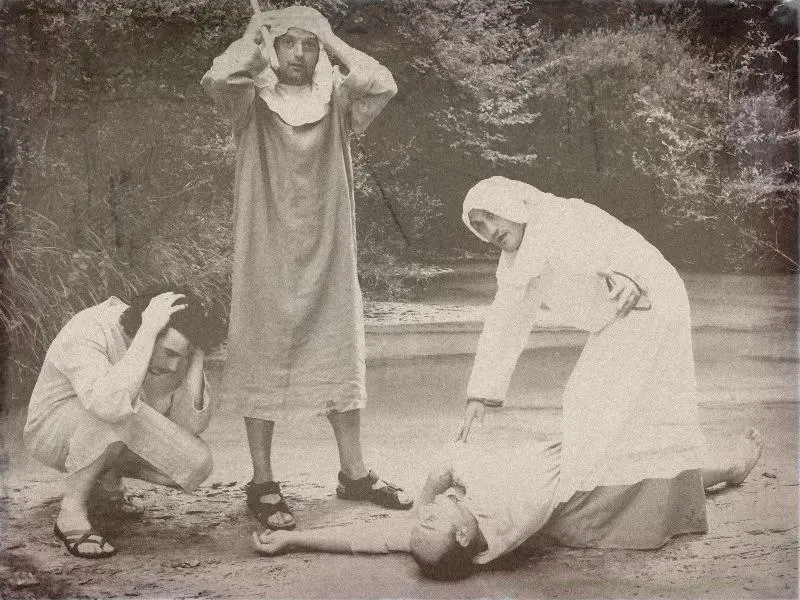
The mannaja — the instrument of execution, historical reenactment

Chapter IV

The Prayer

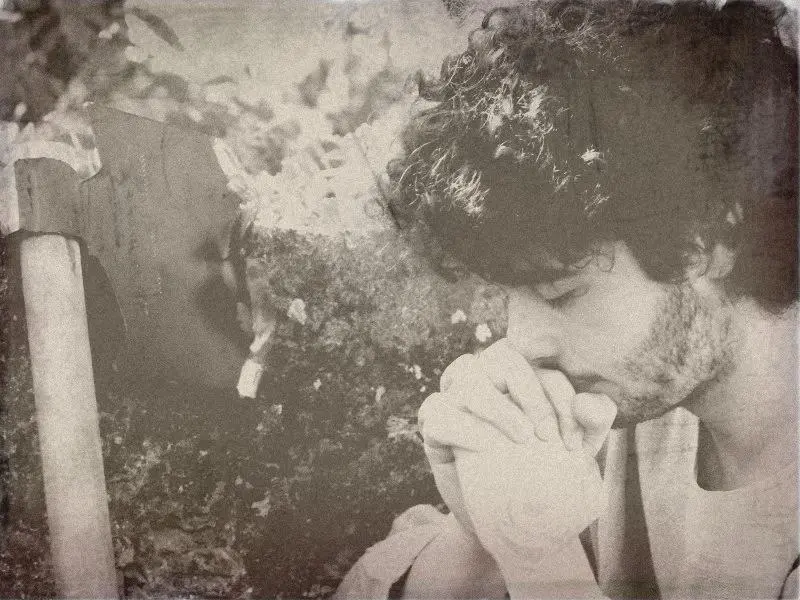
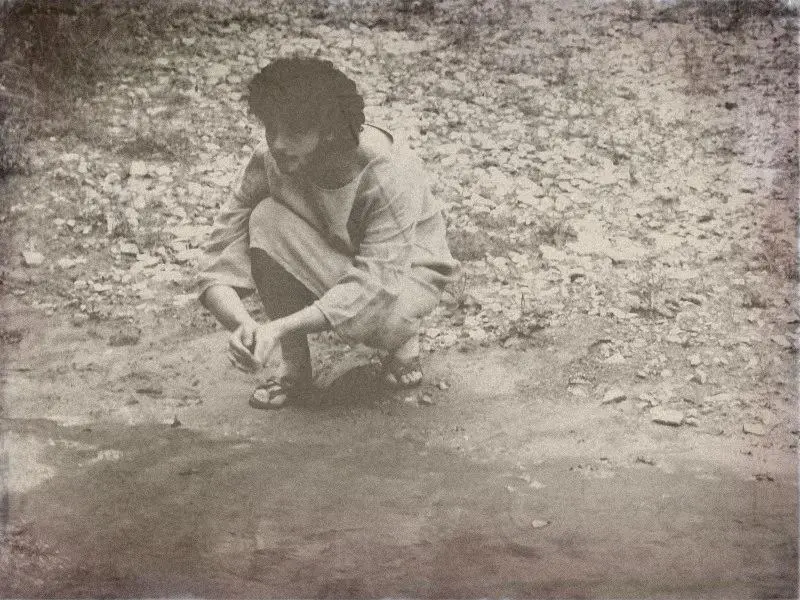
In the darkest hour, before the blade fell, tradition tells that Giovanni entrusted himself with all his heart to the Volto Santo of Lucca. It was his protector, the destination of his pilgrimage, the intercessor toward whom his steps had been turned.

In that moment, it was to Him that he turned his final prayer. There was nothing else left to appeal to. Only faith.

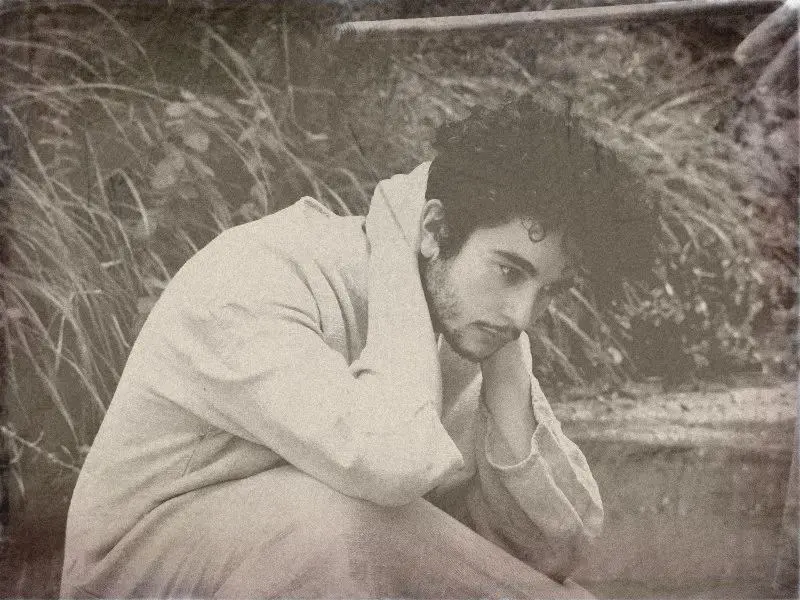
Giovanni in prayer in his darkest hour — historical reenactment

Chapter V

The Miracle

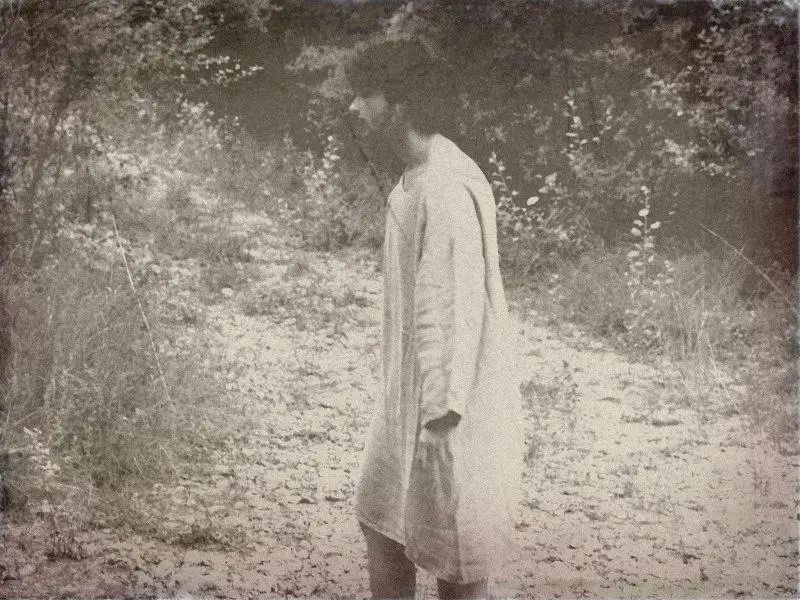
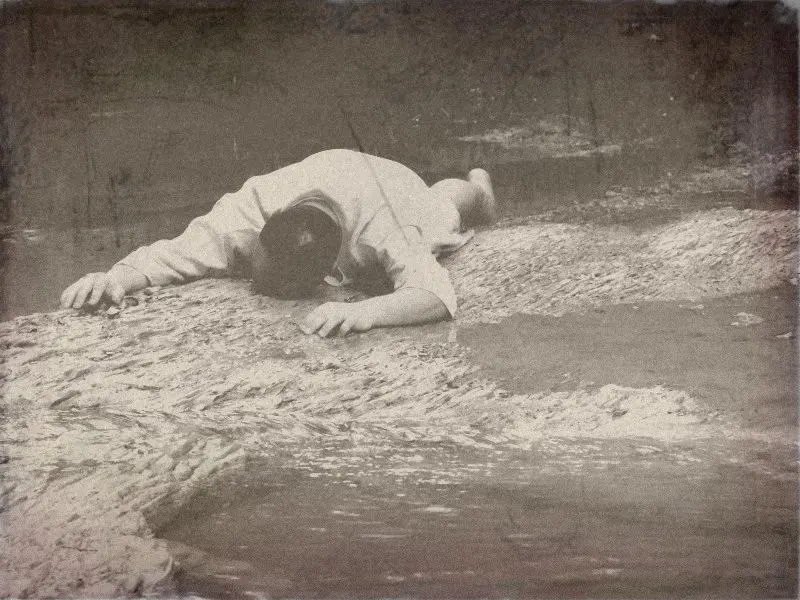
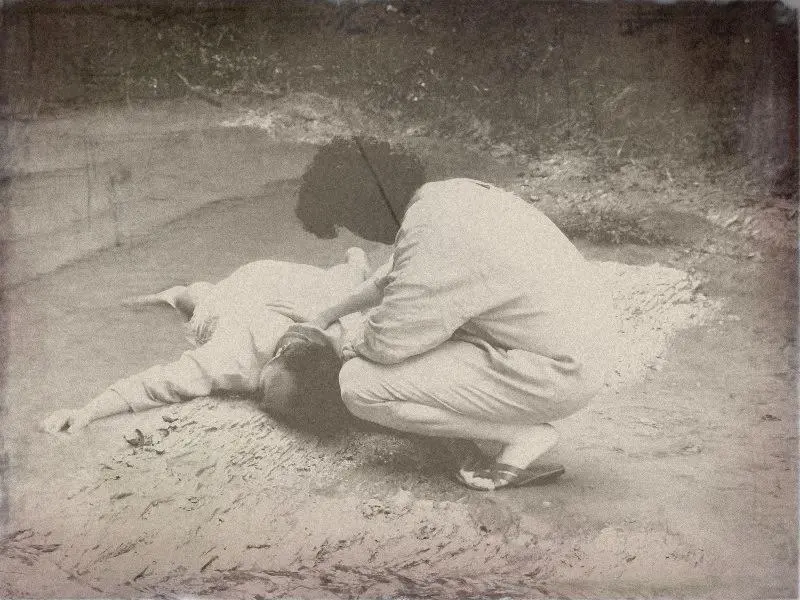
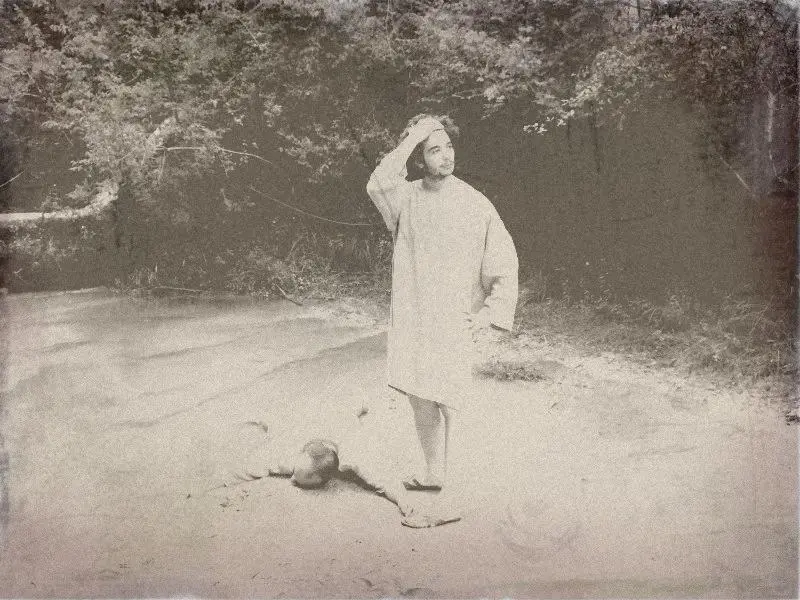
What happened moments later is the heart of the miracle. According to tradition, the blade of the mannaja bent — it turned aside, unable to complete its course. The execution did not take place.

Giovanni di Lorenzo da Piccardia was safe. The miracle was recognized, and Pietralunga did not forget. That memory has remained alive for centuries, becoming the foundation of one of the most heartfelt historical reenactments in Umbria.

"The blade turned aside, and life returned where death seemed certain."
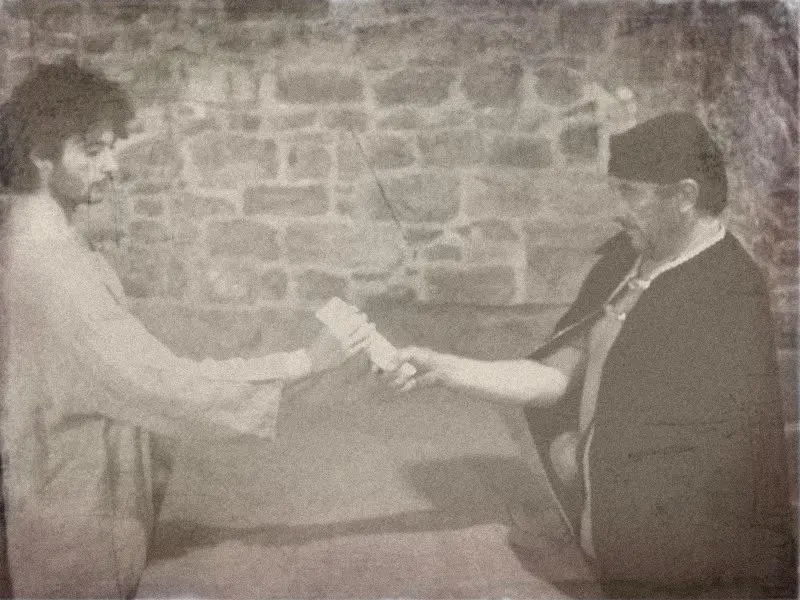
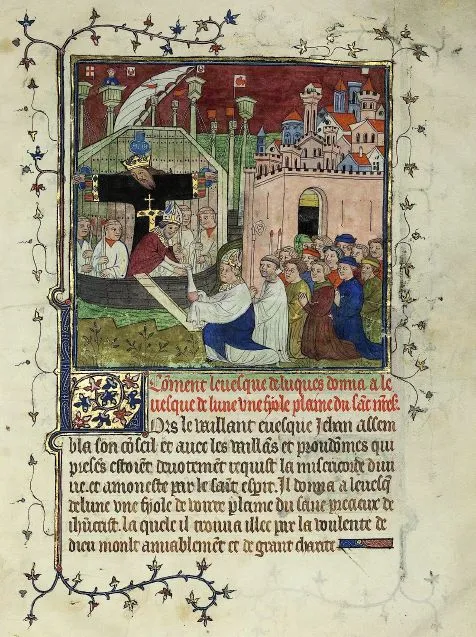
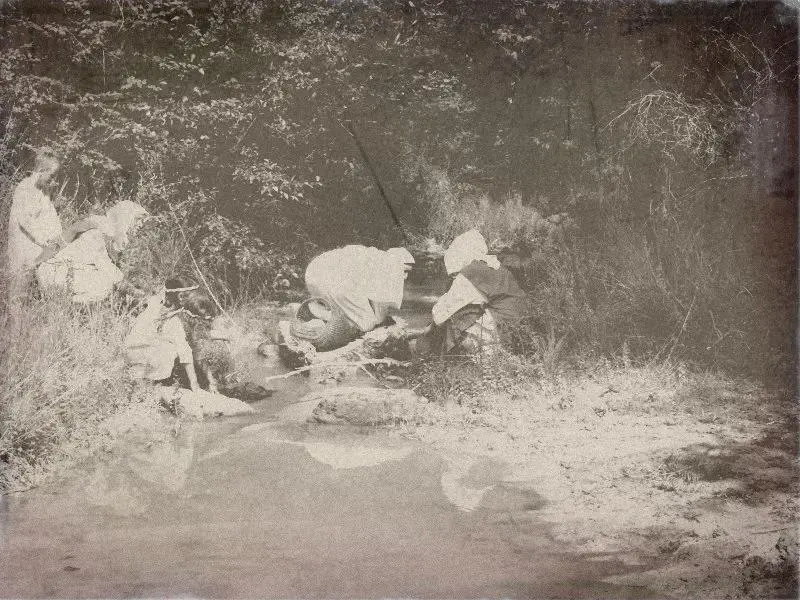
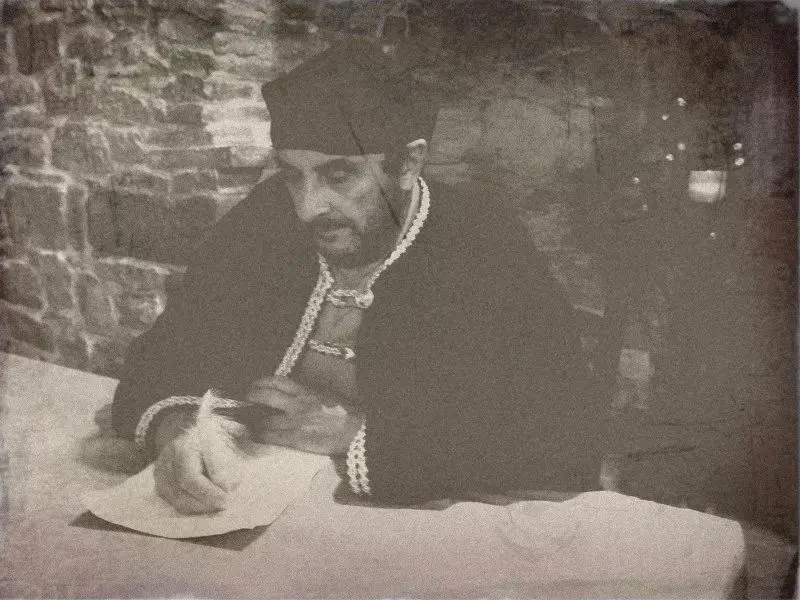
The Podestà delivers the document recognizing the miracle — historical reenactment

From grace to the Palio

Six centuries of memory, kept and renewed every year in August.

Anno Domini 1334

The pilgrim's journey

Giovanni di Lorenzo da Piccardia, a pilgrim bound for the Volto Santo of Lucca, travels the roads of Umbria and arrives near Pietralunga.

September 11, 1334

The Miracle of the Mannaja

Unjustly accused and sentenced to death, Giovanni entrusts himself to the Volto Santo. According to tradition, the blade of the mannaja bends and turns aside, saving the pilgrim. The miracle is recognized by the community.

14th – 19th century

A memory kept alive

For centuries the story is passed down from generation to generation, through devotion and local religious celebrations. Pietralunga keeps this story as a founding part of its own identity.

1982

The Palio della Mannaja is born

The Pro Loco of Pietralunga creates the first edition of the Palio della Mannaja, a historical reenactment inspired by the 1334 miracle. The event is born to preserve and celebrate the history and traditions of the Umbrian town.

Every August

The reenactment continues

The historical procession retraces the streets of the town, the Reenactment of the Miracle brings that moment from 1334 back to the stage, and the Corsa del Biroccio between boroughs and districts decides the year's winner.

2026 · 43rd edition

The Palio della Mannaja today

From August 3 to 9, 2026, the 43rd edition takes place. Seven days of history, shows, conviviality and reenactment in the medieval heart of Pietralunga. The memory of 1334 is still alive.

Symbols of the Miracle

Every element of the story carries a meaning that the Palio renews every year.

The Mannaja

The instrument of the sentence becomes a symbol of grace. From a weapon of death to the emblem of a miracle: the mannaja gives its name to the entire reenactment.

The Pilgrim

Giovanni di Lorenzo da Piccardia: a stranger on Umbrian soil, far from his native Picardy, alone before a justice that did not know him. His journey is the narrative thread running through the whole story.

The Volto Santo

The sacred image kept in Lucca, the destination of Giovanni's pilgrimage. According to tradition, it was the prayer to the Volto Santo that interceded at the moment of the execution.

Justice

The unjust accusation and the groundless sentence are the story's shadow. The miracle is not only an act of faith: it is also the redemption of someone who had no voice to defend himself.

The Community

Pietralunga did not simply witness the miracle: it kept it for centuries and turned it into a living reenactment. The Palio exists because a community chose not to forget.

Memory

Six centuries of oral tradition, celebrations, processions and reenactments. The memory of the Miracle of the Mannaja is a form of collective identity that endures through time.

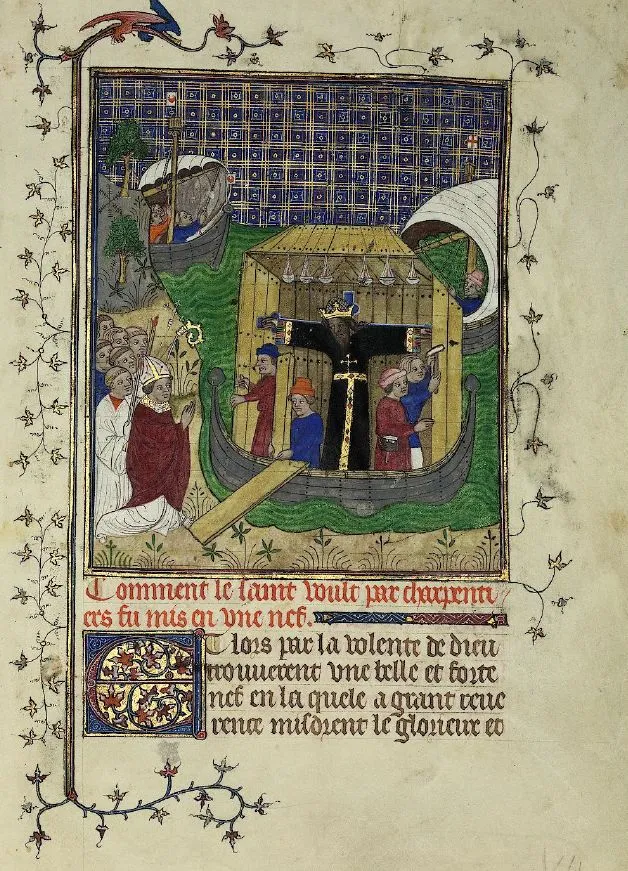
The Volto Santo, the sacred effigy kept in the Cathedral of San Martino in Lucca

The Volto Santo of Lucca

Legend, faith and history across the centuries

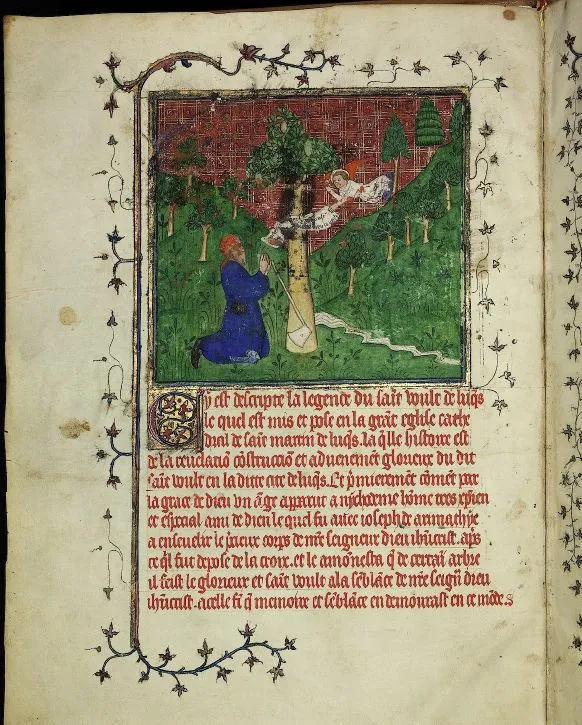
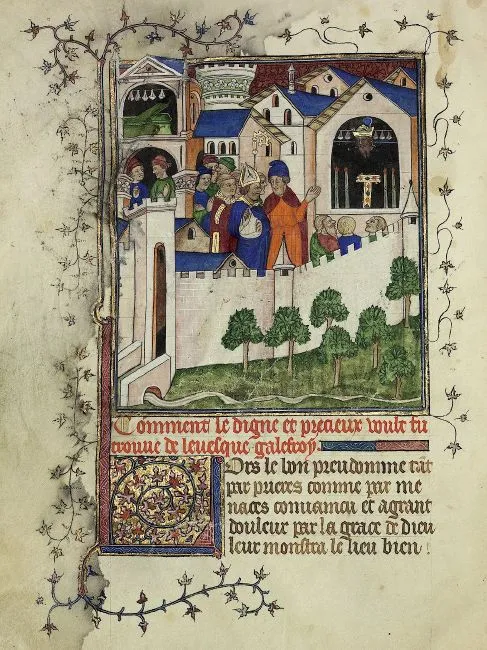
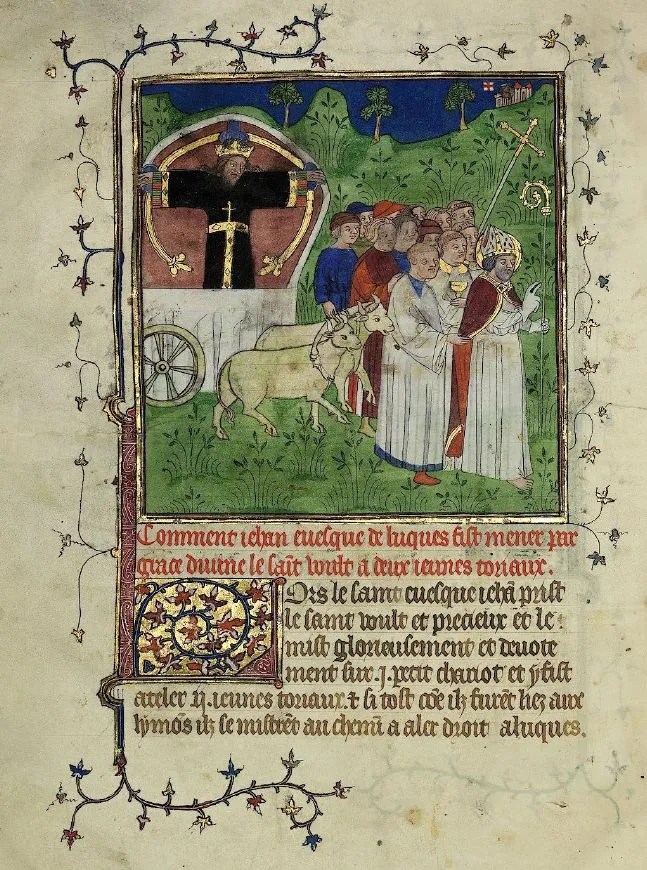
Two stories cross the centuries and intertwine with Giovanni's own: the legend of the miraculous origin of the Volto Santo, and the historical account of the miracle that saved him from the blade. Here we retrace them both, along with the documents that still preserve them today.

Sources and further information

From the Miracle to the Palio

The memory of the Miracle of the Mannaja has not stayed shut inside history books or private devotion. Every August, since 1982, Pietralunga turns it into something alive: costumes, processions, drummers, competing boroughs, open taverns and — on Saturday evening — the Reenactment of the Miracle in Piazza Fiorucci.

The historical procession through the streets of the town is not a show for tourists: it is how Pietralunga renews its bond with its own history every year. The competing boroughs and districts carry into the Palio the pride of belonging to a place that chose not to forget.

The Corsa del Biroccio awards the Palio to the winner, but the true protagonist of every edition remains him: that man from the 14th century, walking toward Lucca, who entrusted himself to faith in his darkest hour.

Live the history where it all began

Every August, Pietralunga returns to 1334 with the Palio della Mannaja. The historical procession, the Reenactment of the Miracle, the Corsa del Biroccio: seven days in which the medieval town finds its ancient voice again.